The Coal Exchange
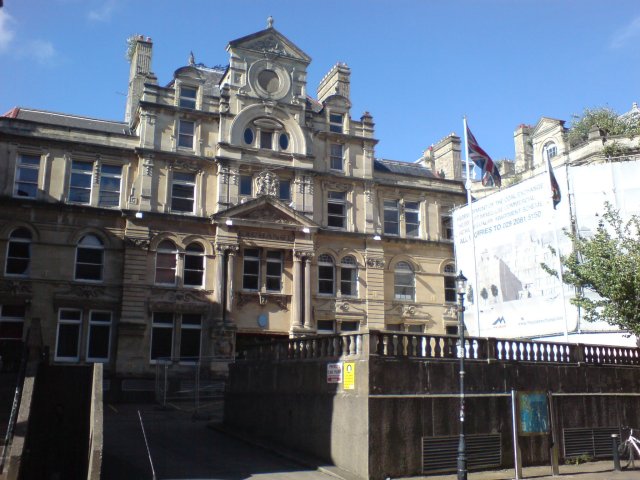
The Coal Exchange in Cardiff is one of the most historically significant and architecturally remarkable buildings in Wales, located in the Mount Stuart Square area of Cardiff Bay, formerly known as Bute Town. It stands as a testament to the extraordinary economic power that the South Wales coalfield once wielded over global markets, and at its peak this building was quite literally the place where the price of coal was set for the entire world. For anyone with an interest in Victorian commercial architecture, industrial heritage, or the story of how Cardiff transformed from a small market town into one of the busiest coal-exporting ports on earth, the Coal Exchange is an essential destination.
The building was constructed between 1883 and 1886, designed by the architect Edwin Seward in an exuberant French Renaissance style, and it opened in 1886. It served as the trading floor where coal merchants, ship owners, and brokers would gather to negotiate contracts for the millions of tonnes of steam coal being hauled down from the Rhondda, Cynon, Merthyr, and other valleys to the docks at Cardiff. The Exchange gained a particular place in financial history because it is widely credited as the location where the world's first cheque for one million pounds was signed, reportedly in 1901 in connection with the booming coal trade. Whether or not every detail of this claim has been conclusively verified by historians, it reflects the genuine and staggering scale of commerce that passed through this building during Cardiff's coal boom years.
Physically, the building is a sumptuous and slightly overwhelming Victorian confection. Its exterior is faced with pale terracotta and stone, with elaborate carved detailing, arched windows, and a general sense of confident, almost theatrical grandeur that speaks to the ambitions of the merchant class who commissioned it. The interior is arguably even more impressive, dominated by a vast central trading hall with a magnificent glazed roof that floods the space with diffused natural light. Ornate ironwork, decorative columns, and richly detailed plasterwork adorn the hall, and the overall effect when standing inside is of a building that wanted to project permanence, prosperity, and seriousness of purpose. The acoustics of the main hall give spoken voices a slight resonance that adds to its atmospheric quality.
The decline of the South Wales coal trade through the twentieth century inevitably affected the Exchange. Trading activity wound down and the building fell into increasingly serious disrepair over the latter decades of the 1900s, becoming a genuine cause for concern among heritage campaigners and architectural historians who feared it might be lost entirely. It was used for a time as a music venue, which gave it a new generation of admirers and helped keep it in public consciousness, but the building's structural condition remained precarious. Efforts to find a sustainable use for the building have occupied developers and heritage bodies for many years, and it has been the subject of multiple ambitious regeneration proposals. The building is a Grade I listed structure, meaning it carries the highest level of statutory protection available in Wales.
Mount Stuart Square, where the Coal Exchange sits, was once the financial heart of Cardiff's docklands and is itself a handsome Victorian square that retains much of its original character. The area is part of Cardiff Bay, which has been extensively regenerated since the 1980s and 1990s following the construction of the Cardiff Bay Barrage and the creation of a freshwater lake from what was previously tidal mudflats. The Norwegian Church, now an arts centre, is a short walk away, as is the Wales Millennium Centre, the Senedd building, and the broader waterfront area with its restaurants, bars, and open public spaces. The bay area has a very different character from Cardiff city centre, more open and breezy with expansive water views, and the juxtaposition of Victorian commercial grandeur with contemporary regeneration architecture gives the neighbourhood a layered, sometimes slightly melancholy quality.
Getting to the Coal Exchange is straightforward from Cardiff city centre. The Butetown area and Mount Stuart Square are accessible by bus from the city centre, and the Cardiff Bay area is also served by the Bay line of the Cardiff Bus network. Driving is possible though parking in the immediate vicinity of Mount Stuart Square can be limited. Visitors should check current access and opening arrangements before visiting, as the building has had a complex history of closures, renovation works, and changes of use, and the situation regarding public access may vary depending on ongoing development works. The best approach is to verify the current status with local tourism resources or any operator currently managing the site.
One of the more poignant hidden stories of the Coal Exchange is how completely the world it was built to serve has vanished. The valleys that once sent millions of tonnes of coal down to these docks have been silent for decades, the collieries demolished or converted into heritage museums, and Cardiff itself has reinvented its economy around services, public administration, retail, and tourism. The building that was once the nerve centre of a global commodity trade now sits in a regenerated leisure and residential district, and the contrast between its original purpose and its surroundings gives it a particular emotional resonance. To stand in the main trading hall and imagine the noise, the commerce, the deals struck and the fortunes made and lost, requires only a little imagination but rewards it considerably.