Paignton Beach
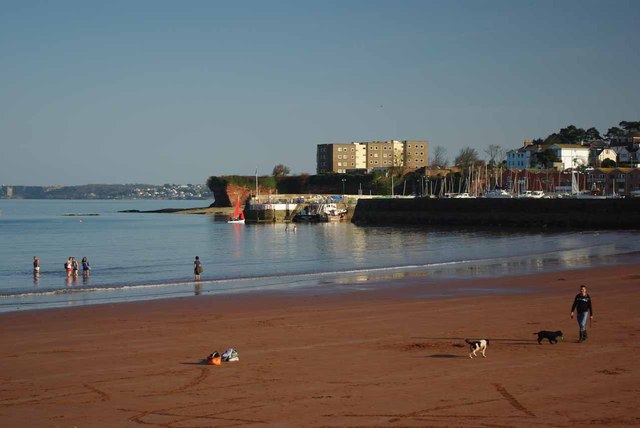
Paignton Beach is one of the most popular and family-friendly stretches of coastline in the English Riviera, sitting within Torbay on the South Devon coast. The beach occupies a central position in the town of Paignton itself, flanked by the pier to the north and Goodrington Sands further to the south. It forms part of the wider Torbay Area of Outstanding Natural Beauty and draws visitors from across the United Kingdom and beyond, particularly during the summer months. Its combination of gently shelving sands, calm waters, and excellent town-centre facilities has long made it a quintessential British seaside destination, evoking the traditional bucket-and-spade holiday that characterised much of the twentieth century. The beach is managed by Torbay Council and benefits from consistently good water quality, having held Blue Flag and Seaside Award status in multiple recent years.
The beach itself is composed predominantly of fine to medium reddish-brown sand, a colour that is characteristic of the distinctive Devonian sandstone geology of the region. This warm, russet hue gives Paignton its somewhat Mediterranean appearance, especially on sunny days when the sand reflects golden tones. At low tide, the beach is impressively wide — stretching to perhaps 100 to 150 metres from sea wall to waterline in places — providing ample space for sunbathers, families, and ball games even during busy summer weekends. The beach runs for approximately 600 metres along the seafront and is backed by a broad promenade, a grassy recreational area, and a range of amusements and seasonal stalls. The sand is generally firm and walkable when wet, making it suitable for children and those less comfortable on looser surfaces. There are occasional rocky outcroppings at the northern and southern ends near the pier, but the central stretch is largely uninterrupted sand.
The sea at Paignton is relatively calm compared to the Atlantic-exposed beaches on the north Devon and Cornish coasts, as Torbay itself acts as a natural shelter from prevailing south-westerly swells. This makes the water conditions notably approachable for families and inexperienced swimmers. The tidal range here is moderate, typically between three and four metres on spring tides, which means the beach expands substantially at low water, revealing the full width of the sandy expanse. Water temperatures follow a typical southern English pattern, reaching their warmest in August and September when surface temperatures may reach 17 to 18 degrees Celsius, though most visitors will find it refreshingly cool rather than warm by continental standards. Currents are generally mild inshore, though swimmers should always be aware of local conditions and heed any flags or advice from lifeguards. Occasional jellyfish appear during late summer, which is worth bearing in mind.
Paignton Beach is exceptionally well served in terms of amenities. Seasonal lifeguard cover is provided during the summer months, typically running from late May through to mid-September, in line with the RNLI's standard coastal programme for popular English beaches. There are public toilets and changing facilities near the seafront, including some with accessible provision. The promenade and surrounding streets offer a wide range of cafes, fish and chip shops, ice cream vendors, and traditional seaside amusement arcades. Deckchair and windbreak hire is available seasonally on the beach, along with pedalo hire. The beach is well connected by road, with several car parks nearby including the large Paignton seafront car park on Esplanade Road, though these fill quickly on summer weekends and bank holidays. The train station is only a short walk away, making the beach accessible without a car, and Paignton is served by local bus routes from Torquay and Brixham.
For wheelchair users and those with mobility challenges, Paignton is one of the more accessible beaches on the South Devon coast. Beach wheelchairs are available to borrow from the seafront during the season, and the wide, hard-surfaced promenade running along the back of the beach allows easy access along the seafront. Slipways and flatter access points mean that reaching the sand itself is manageable compared to beaches with steep drops or extensive steps.
The best time to visit Paignton Beach is broadly between late June and early September for swimming and traditional seaside activities. July and August are the warmest and most reliably sunny months, though they are also significantly busier, and the car parks and promenade can feel congested during school holidays. Those seeking a more peaceful experience might find late May, early June, or September ideal — the weather is often still warm, the sea has begun to absorb summer heat, and the crowds are considerably thinner. Winter visits have their own appeal; the beach takes on a dramatic, windswept character, and low winter tides reveal the full expanse of sand. Paignton Pier is visible to the north throughout the year, adding a sense of architectural history to the scene.
Swimming, paddling, and building sandcastles are naturally the primary pursuits, but the beach and its surroundings support a broader range of activities. The relatively calm inshore waters make it suitable for kayaking and stand-up paddleboarding, and equipment hire is available nearby seasonally. Fishing from the pier and from the shoreline is popular throughout the year. The South West Coast Path passes through Paignton, offering walking routes both north towards Torquay and south towards Goodrington and Brixham, with varied coastal views along the way. The wider Torbay area is a UNESCO-recognised Geopark, and the reddish cliffs visible in the landscape around the bay are of genuine geological interest, representing Permian and Devonian red beds formed in ancient desert environments. Photography enthusiasts will find particularly attractive conditions at sunrise and in the golden hour before sunset, when the warm tones of the sandstone rocks and sand are heightened.
The surrounding landscape at Paignton is relatively low-lying compared to the dramatic cliffs found elsewhere on the Devon coast, but the wooded hillsides of the lower Dart valley and the rolling red hills behind the town give the area a gentle, attractive quality. Paignton itself is a Victorian and Edwardian resort town, and much of its seafront architecture reflects that heritage. The pier, though modest in scale by the standards of some English seaside piers, dates from the late nineteenth century. Nearby Goodrington Sands, a short walk or drive to the south, offers another fine sandy beach with a boating lake and further leisure facilities, and together the two beaches represent the heart of Paignton's seaside offering.
Historically, Paignton grew from a small agricultural and fishing settlement into a seaside resort largely as a result of the arrival of the railway in 1859, which opened up the town to visitors from the Midlands and beyond. The Great Western Railway actively promoted the English Riviera as a holiday destination, and Paignton became firmly associated with the democratic, accessible British seaside holiday. The town has a connection to the detective writer Agatha Christie, who was born in nearby Torquay and spent much of her life in the Torbay area, and the whole bay carries something of her legacy in its tourism identity. The Paignton and Dartmouth Steam Railway, which still runs a heritage line from Paignton station, is a reminder of that Victorian railway heritage and remains one of the most popular tourist attractions in the area, with its terminus a short walk from the beach.